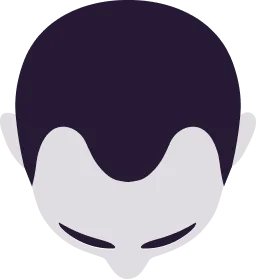
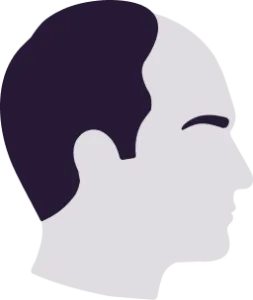
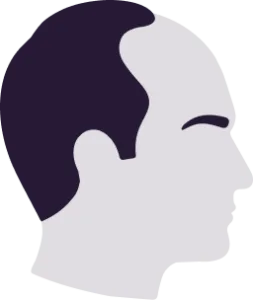
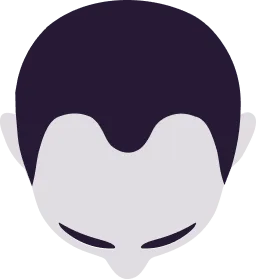
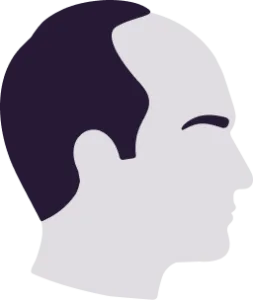
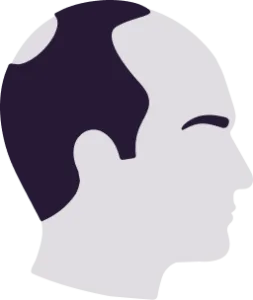
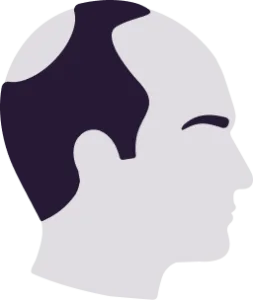
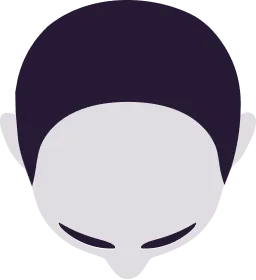
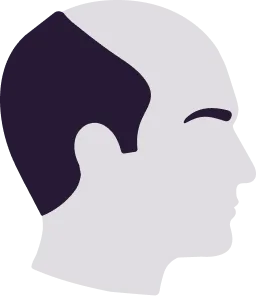
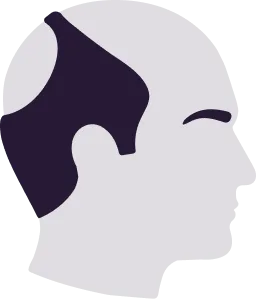
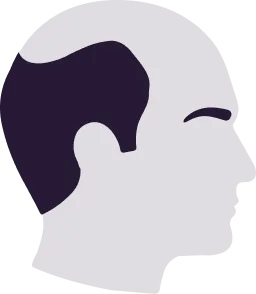
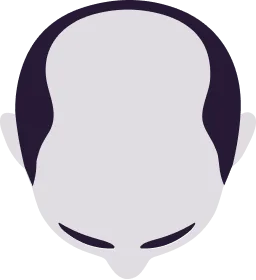
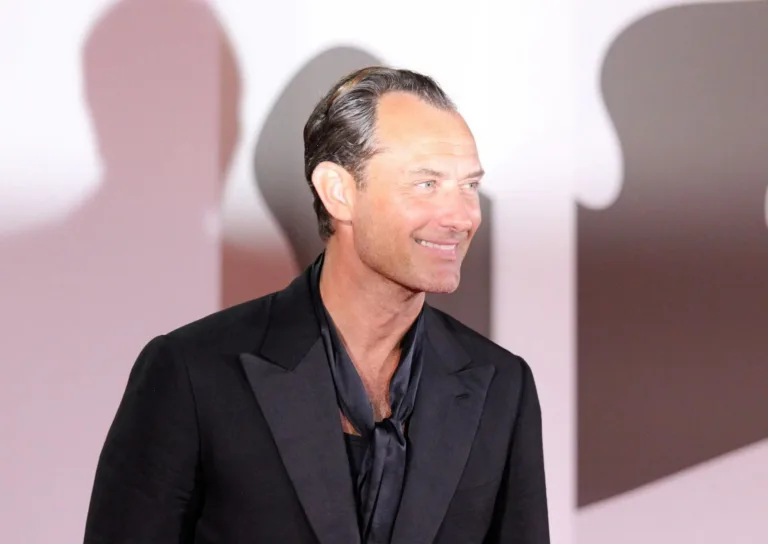
Male pattern hair loss
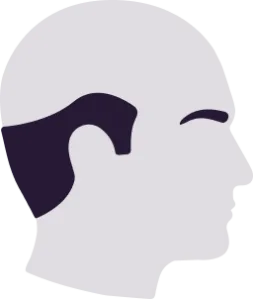
Male pattern hair loss, also called androgenetic alopecia, can start any time after puberty, usually between 20 and 25 years of age. This type of hair loss usually runs in families.
A combination of genetic and hormonal factors may cause male pattern hair loss. Normally, hair grows for 2–6 years, enters a resting state for a few months and then falls out. This cycle then restarts when a follicle starts growing new hair.
Skin cells of the scalp convert testosterone into dihydrotestosterone (DHT). Testosterone and DHT are members of a group of hormones called androgens, which contribute to growth and reproduction in both men and women.
There may be variations in the gene encoding the androgen receptor in people with male pattern hair loss. The gene variation results in increased activity of the androgen receptors in hair follicles, which causes:
- hair follicles to gradually become smaller
- Each new hair grows thinner than the previous hair
- The new hair grows for less time before falling out
Eventually, the hair follicle shrinks considerably, and the thin stumps of hair no longer grow out to the skin’s surface.